


July Risk Roundup: Cybersecurity shiny objects — don’t overlook the basics

A healthy dose of skepticism is never a bad idea in cybersecurity. People will try to take advantage of chaotic situations, bad ideas will be expressed when people have ulterior motives, and sometimes a flashy headline is designed to sell you ads rather than give you useful information.
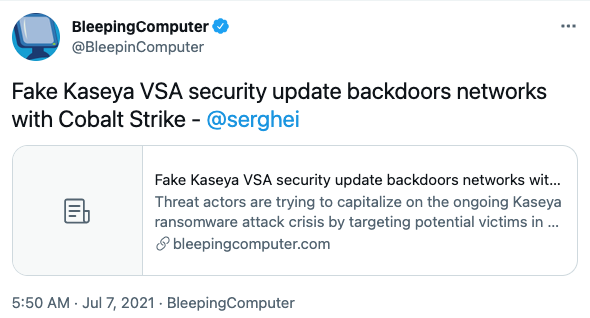
1. Fake Kaseya VSA security update backdoors networks with Cobalt Strike
Attacker’s creed: never let a good disaster go to waste. The lesson for defenders? Chaotic conditions demand extra vigilance – when things go wrong, it’s helpful to have defined procedures and team members trained via exercises/drills to respond.
2. RSA sponsored content issues
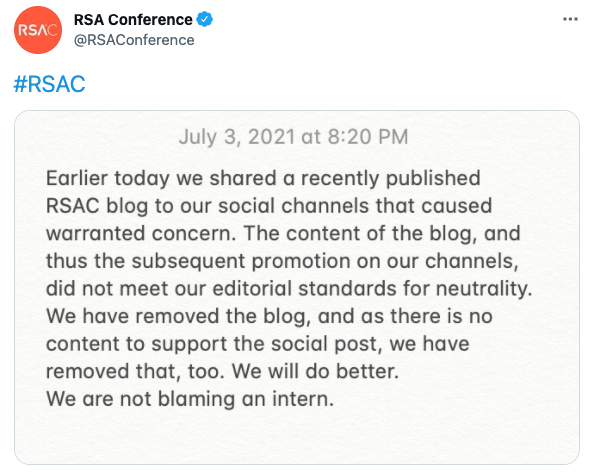
Kudos to RSA for (retroactively) policing their sponsored content and dunking on the “blame the interns” meme. But how did an article about blockchain fixing TCP/IP security issues that didn’t demonstrate a solution at all make it through editorial reviews?
3. Headline-driven threat landscape
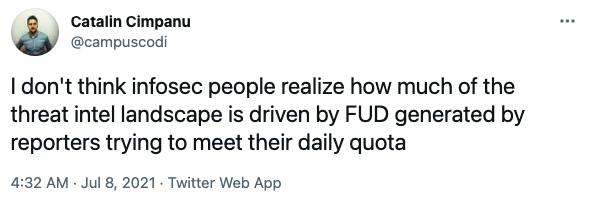
Media sensationalism is nothing new, and the problem is worse in tech and infosec due to unfamiliar vocabulary. It takes time and effort to contextualize cyber risk, so both infosec and business leaders need to allocate that time rather than following clickbait headlines.
If you enjoyed this post be sure to check our blog weekly; the Risk Roundup runs Friday mornings in addition to more enlightening content we post related to the ever-evolving landscape of digital risk. Follow us on Twitter (@SolveCyberRisk) and LinkedIn (Coalition Inc). If you have any suggestions for content that we should be adding to our reading list, let us know!
Related blog posts

Blog
5 NGINX Vulnerabilities Let Attackers Take Control of a Server Without a Login
Five vulnerabilities in NGINX, one of the world’s most widely used web servers, can let attackers take control of a server without a password or account.


Blog
Cyber Criminals Left Their AI Hacking Tools Open to the Internet
Coalition security researchers found thousands of AI hacking harnesses on the open internet. The discovery carries implications for the future of cyber risk.


Blog
What You Need to Know About the European Fridge Hacks
Europe is experiencing another round of cyber attacks on fridges. How far does the threat travel, who is at risk, and how does insurance respond?
