


July Risk Roundup: Ransomware, ransomware everywhere — mitigations required

It’s no secret that ransomware is one of, if not the, defining cyber risk of our time. As a result, everyone is searching for the right combination of mitigations to prevent a ransomware event from striking their organization. But there are other lingering questions: should companies be allowed to impose secrecy on their clients, what additional risks come from insurance companies being hacked, and what easy remediations can help mitigate your organization’s risk?
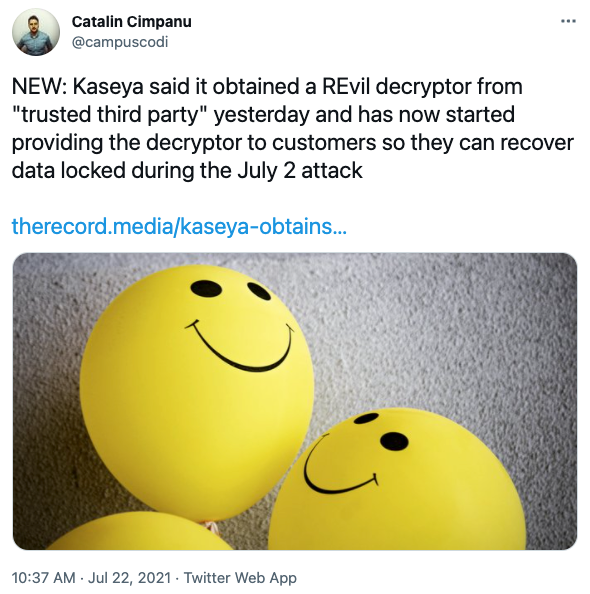
1. Kaseya said it obtained a REvil decryptor from "trusted third party"
All indications are that Kaseya obtained a key from a third party without paying a ransom — which is great. However, the NDA that they are requiring clients to sign is confusing the issue by reducing transparency.
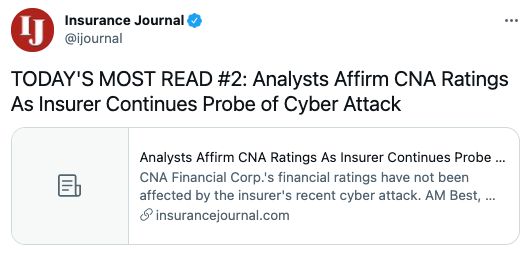
2. Analysts affirm CNA ratings as insurer continues probe of cyber attack
A company that was locked down entirely for three weeks poses a serious risk to both their balance sheets and their insured entities. Bad actors routinely look for insurance policies to set ransom payment targets for their victims. Having this information gives them an immediate advantage.
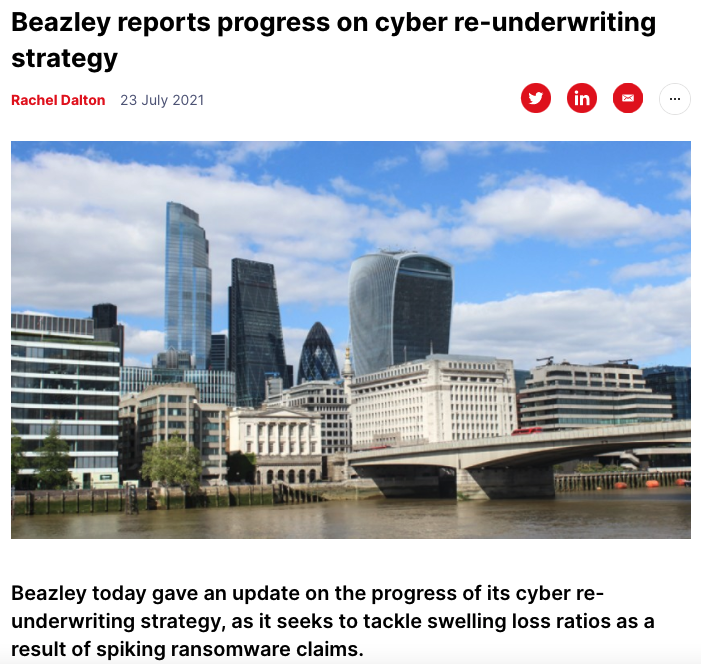
3. Beazley reports progress on cyber re-underwriting strategy
Simply protecting your own balance sheet does not solve the scenario we are in. If insurance companies are not also proactively pushing their insureds to become better cyber risks, the market as a whole will suffer.
4. Hackers exploit Microsoft browser bug to deploy VBA malware on targeted PCs
This article highlights the importance of underwriting and understanding your exposure to business email compromise. Although no one can fully prevent breaches, there are simple risk management best practices that can help reduce risk, such as quarterly phishing training, disabling Microsoft Office macros, and visually labelling messages from external senders to provide employees additional indication of potentially suspicious messages.

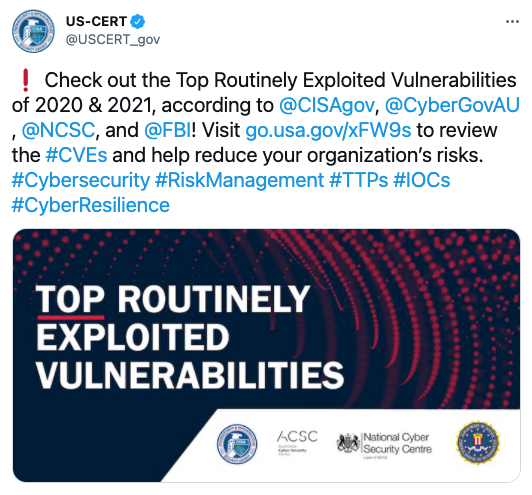
5. Top routinely exploited vulnerabilities of 2020 & 2021
Shiny objects and new vulnerabilities merit attention, but we’re seeing breaches related to old, less sexy stuff that people have forgotten about. – Aaron Kraus, Security Engagement Manager
View tweet here If you enjoyed this post be sure to check our blog weekly; the Risk Roundup runs Friday mornings in addition to more enlightening content we post related to the ever-evolving landscape of digital risk. Follow us on Twitter (@SolveCyberRisk) and LinkedIn (Coalition Inc). If you have any suggestions for content that we should be adding to our reading list, let us know!
Related blog posts

Blog
Risky Tech Ranking: Q2 2026 Updates
See how Coalition’s Risky Tech Ranking evolved in Q2 2026 with updates on the number of vendors scored, contributing vulnerabilities, Vendor Scores, and more.


Blog
How Login Security Helps Businesses Combat Identity-Based Threats
Business email compromise is the leading driver of cyber claims. Login Security monitors suspicious login activity and kicks out attackers.


Blog
Security Alert: WP2Shell Vulnerabilities Exploited in the Wild
Coalition notified policyholders of critical “WP2Shell’ remote code execution vulnerabilities affecting Wordpress Core.